Hair Care
Shampoo, Conditioner or Hair Mask: What Does Your Hair Need?
Oct
Shampoo, Conditioner or Hair Mask: What Does Your Hair Need?
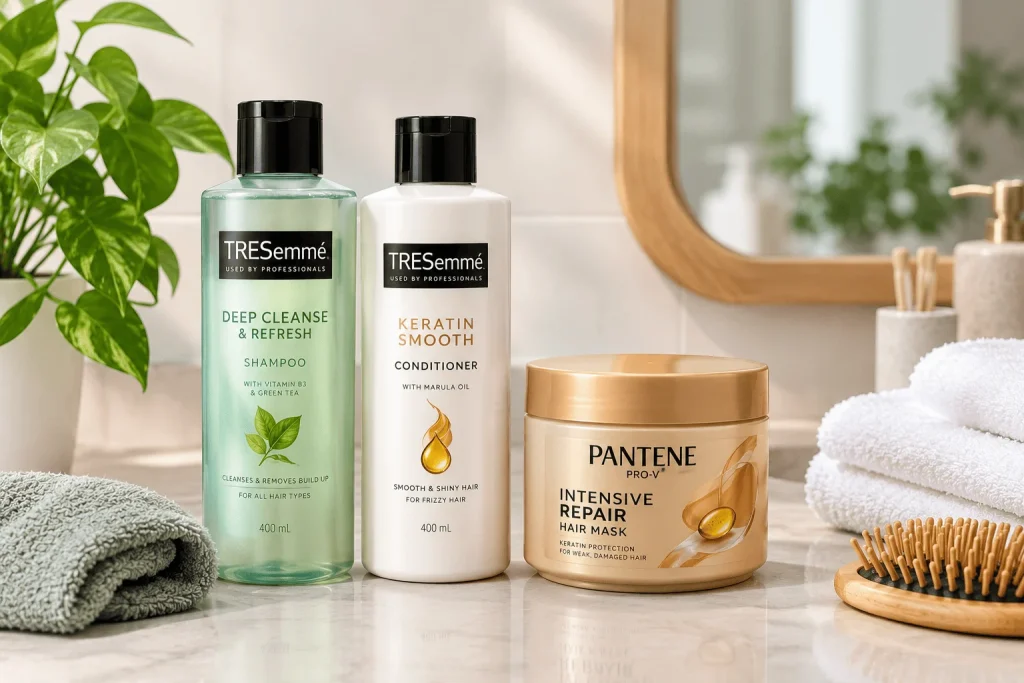
Choosing between shampoo, conditioner or hair mask can be confusing. There are many shampoos, conditioners, and hair masks available, and each product has a different purpose. Some products help clean the scalp, while others help make hair softer, smoother, and easier to manage.
If you want to build a simple hair care routine, it is important to understand the difference between these three products. This guide explains how to use shampoo, conditioner, and hair mask, and how to choose the right products for your hair type.
What Is the Difference Between Shampoo, Conditioner or Hair Mask?
When comparing shampoo, conditioner or hair mask, it is important to understand what each product does. The right combination depends on your scalp condition, hair texture, and individual hair care needs.
1. Shampoo: Clean Your Scalp and Hair
Shampoo is mainly used to remove excess oil, sweat, dirt, and product buildup from the scalp and hair. The right shampoo helps keep your scalp clean without making your hair feel too dry.
When choosing a shampoo, consider your scalp condition and hair type. For example, if your scalp becomes oily quickly, you may need to wash your hair more often. If your hair is dry or curly, you may prefer a gentle, moisturizing formula.
How to use shampoo:
- Wet your hair and scalp with water.
- Apply a suitable amount of shampoo to your scalp.
- Gently massage with your fingertips.
- Rinse thoroughly with water.
- Follow with conditioner to help make your hair easier to manage.
You can explore the shampoo collection at BudgetHut to find options for your hair care routine.
2. Conditioner: Make Hair Softer and Easier to Manage
Conditioner helps smooth the hair, reduce tangles, and improve manageability. It is especially useful if your hair feels dry, rough, or difficult to comb after washing.
Unlike shampoo, conditioner is generally applied to the lengths and ends of the hair rather than directly to the scalp. Fine or straight hair may need conditioner mainly on the ends, while dry, thick, or curly hair may benefit from applying it along more of the hair length.
How to use conditioner:
- Wash your hair with shampoo and rinse well.
- Apply conditioner to the lengths and ends.
- Leave it on for the time stated on the product label.
- Rinse thoroughly unless the product is specifically designed to be left in.
Using conditioner after shampoo can help reduce tangles and make everyday hair care easier.
Browse the conditioner collection at BudgetHut to explore available options.
3. Hair Mask: Extra Care for Dry or Damaged Looking Hair
A hair mask is a conditioning treatment designed to give your hair extra care. Depending on its formula, it can help improve softness, smoothness, and the appearance of dry or damaged hair.
A hair mask may be useful if your hair feels rough, looks dull, becomes tangled easily, or has been exposed to frequent heat styling or coloring. However, not everyone needs to use a hair mask every time they wash their hair.
How to use a hair mask:
- Wash your hair with shampoo.
- Apply the mask as directed on the packaging.
- Focus on the lengths and ends unless the instructions say otherwise.
- Leave it on for the recommended time.
- Rinse thoroughly if it is a rinse out product.
Some hair masks can also be used as conditioners or leave in treatments. Always follow the instructions for your specific product.
Explore the hair mask collection at BudgetHut to find a treatment that suits your routine.
Hair Mask or Conditioner: Which Is First?
When balancing shampoo, conditioner or hair mask, a common question is: hair mask or conditioner, which is first?
For most regular wash routines, the order is:
- Shampoo
- Hair mask, if needed and according to its instructions
- Conditioner, if recommended by the product directions
However, there is no single order that works for every hair mask. Some masks are designed to replace conditioner, while others can be used as part of a routine with separate products. Follow the label instructions rather than automatically applying every product together.
For example, the Garnier Ultimate Blends Papaya 3-in-1 Hair Mask is designed for multiple uses, including as a conditioner, rinse out mask, or leave in treatment, according to the product description.
Should I Use Both Conditioner and Hair Mask?
Yes, you can use both conditioner and a hair mask if your hair benefits from the extra conditioning. However, you do not always need to use them together.
Conditioner is generally suitable for regular use after shampooing, whereas a hair mask can be added once or twice a week when your hair needs extra softness. Depending on your hair type, deciding how to rotate shampoo, conditioner or hair mask will keep your hair balanced:
Here is a simple guide:
- Fine or oily hair: Use a lightweight conditioner and choose a hair mask carefully to avoid weighing down your hair.
- Dry hair: Look for conditioning products that help improve softness and manageability.
- Curly hair: Choose products designed for curly hair and apply conditioner where your hair needs moisture and detangling.
- Coloured or heat-styled hair: Consider a suitable conditioning mask to help improve the appearance and feel of the hair.
The best routine depends on how your hair responds to each product.
Is Hair Mask Good for Hair?
A hair mask can be a fantastic addition to your routine alongside your regular shampoo, conditioner or hair mask selection, especially if your hair feels rough or difficult to manage. Depending on the ingredients, a mask helps restore softness and leaves hair looking noticeably smoother.
However, a hair mask is not a solution for every hair or scalp problem. It cannot guarantee hair growth or permanently repair split ends. If you have ongoing hair loss, scalp irritation, or persistent dandruff, consider getting advice from a qualified healthcare professional.
For more general guidance, read the American Academy of Dermatology’s healthy hair care tips.
How to Choose the Right Hair Care Products
Before buying shampoo, conditioner, or a hair mask, consider these simple points:
Know your scalp type. An oily scalp may need more frequent cleansing, while a dry or sensitive scalp may need a gentler product.
Understand your hair’s needs. Dryness, tangling, frizz, and color treated hair may require different types of conditioning care.
Check the product instructions. Look at how much to apply, how long to leave the product on, and whether it needs rinsing.
Avoid using too many products at once. Start with shampoo and conditioner. Add a hair mask if your hair needs extra conditioning.
Be gentle when handling wet hair. Wet hair can be more vulnerable to damage. Use a wide tooth comb where appropriate, avoid rough towel drying, and limit excessive heat styling.
You can also explore the BudgetHut online shop to compare available hair care products and choose options that fit your needs.
